


A Guide to Vitamins and Minerals
A Guide to Vitamins and Minerals
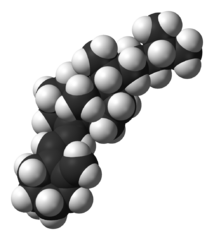
The following are the tables representing Vitamins and Minerals, their function, dosage, metabolic supplementation recommendations for "healthy" people, their deficiencies and toxicities.
The covered vitamins are:
Vitamin A
Vitamin B1 (thiamine)
Vitamin B2 (riboflavin)
Vitamin B3 (niacin)
Vitamin B6 (pyrodoxine)
Vitamin B12
Biotin (a B complex vitamin)
Choline (a B complex vitamin)
Folic acid (a B complex vitamin)
Inositol (a B complex vitamin)
PABA (para-amino-benzoic acid; a B complex vitamin)
Pantothenic acid (calcium pantothenate; a B complex vitamin)
Vitamin B15 (pangamic acid)
Vitamin B17 (Laetrile)
Vitamin C (ascorbic acid)
Vitamin D
Vitamin E
Vitamin K
The covered minerals are:
Cadmium
Calcium
Chromium
Copper
Iodine
Iron
Lead
Magnesium
Manganese
Mercury
Phosphorus
Potassium
Selenium
Sodium
Zinc
RDA = Recommended Dietary Allowance
Nutrient | Functions | Adult RDA | Optimum Metabolic Supplementation Recommendations for "Healthy" People | Deficiency Symptoms | Toxicity Symptoms | Comments |
Vitamin A | Fights infections Helps repair body tissues Induces healthy hair and a good complexion Involved in the digestion of proteins Reduces cholesterol Helps in the prevention and treatment of cancer | 5,000 IU | 30,000-50,000 IU | Increased susceptibility to infections Dry, scaly skin Lack of appetite Night blindness Fatigue | Nausea, diarrhea Dry, itchy skin Staining on palms of hands and soles of feet Whites of eyes turn yellowish orange | Absorption hindered by alcohol, iron, cortisone, mineral oil Absorption hindered by physical exercise within four hours of ingestion Excessive loss of vitamin A may occur when one has cancer, tuberculosis, or infections |
Vitamin B1 (thiamine) | Carbohydrate metabolism | 0.5 mg per 1000 calories | 50-150 mg | Loss of appetite Digestive disturbances | None known | Required when on long-term thyroid replacement therapy |
Vitamin B2 (riboflavin) | Involved in digestion of proteins, fats, and carbohydrates Necessary for healthy eyes and good vision Aids in absorption of iron | Males: 1.6 mg Females: 1.2 mg | 30-100 mg | Digestive disturbances Problems with sight Mouth sores Dermatitis | None known | Animal experiments show cancer is inhibited |
Vitamin B3 (niacin) | Involved in digestion of proteins, fats, and carbohydrates Necessary for proper functioning of nervous system Necessary for proper functioning of digestive system Improves circulation Reduces cholesterol and triglycerides | Males: 18 mg Females: 13 mg | 200-400 mg | Dermatitis Nervous system disorders Fatigue Loss of appetite Insomnia Headaches Irritability | None known, but may cause flushing and/ or tingling or itching due to dilation of capillaries in surface of skin | Used in combination with B6 and zinc in high dosage levels in treatment of schizophrenia Antibiotics and refined carbohydrates cause excessive loss of niacin May prevent cancer due to enzyme regulation |
Vitamin B6 (pyrodoxine) | Involved in digestion of proteins, fats, and carbohydrates Necessary for proper functioning of nervous system Necessary for production of antibodies by body Required for proper absorption of B12 and magnesium Necessary for proper balance of sodium and potassium | 2 mg per 100 grams protein per day | 50-200 mg | Anemia Glucose metabolism dysfunction Hair loss Arthritis Nervousness Depression Irritability Increased urination | None known | Treatment for arthritis involves use of vitamin B6 in dosages as high as 300- 600 mg daily Used in treatment of heart failure |
Nutrient | Functions | Adult RDA | Optimum Metabolic Supplementation Recommendations for "Healthy" People | Deficiency Symptoms | Toxicity Symptoms | Comments |
Vitamin B12 | Involved in digestion of proteins, fats, and carbohydrates Necessary for metabolism of nerve tissue | 3 mcg | 200-1,000 mcg | Anemia Fatigue Nervousness Irritability Inability to concentrate Depression Insomnia | None known | Calcium is needed with vitamin B12 for proper absorption by body Vegetarians develop deficiencies easily Only vitamin that contains essential mineral elements Produced in stomach with intrinsic factor; deficiencies commonly occur after stomach surgery |
Biotin (a B complex vitamin) | Involved in digestion of proteins, fats, and carbohydrates Necessary for body to utilize folic acid, B12, and pantothenic acid | Not established | 300-600 mcg | Muscle pain Loss of appetite Lack of energy Dry skin Insomnia Depression | None known | Trace amounts appear in all animal and plant tissue |
Choline (a B complex vitamin) | Involved in digestion and transportation of fats Essential for health of liver and kidney Necessary for protection of myelin sheath of nerves | Not established | 1,000-2,000 mg | Ulcers Hemorrhaging of kidneys High blood pressure | None known | Overdosage may cause deficiency in B6 Aids in prevention of gallstones |
Folic acid (a B complex vitamin) | Involved in metabolism of proteins Involved in red blood cell formation | 400 mcg | 400-1,000 mcg | Anemia Digestive disorders | None known | Large amounts should be administered only under directions of a physician |
Inositol (a B complex vitamin) | Necessary for formation of lecithin Involved in metabolism of fats | Not established | 500-1,000 mg | Loss of hair Constipation High cholesterol | None known | Caffeine may cause deficiency Protects liver, kidney and heart Helps reduce cholesterol |
PABA (para-amino-benzoic acid; a B complex vitamin) | Involved in digestion and utilization of proteins Involved in formation of red blood cells Necessary for healthy skin | Not established | 100-300 mg | Digestive disorders Fatigue Depression Irritability Headaches Nervousness | Nausea, vomiting | Sulfa drugs cause deficiency |
Pantothenic acid (calcium pantothenate; a B complex vitamin) | Involved in release of energy from proteins, fats and carbohydrates Involved in utilization of other vitamins Necessary for healthy digestive system | 5-10 mg estimated to be adequate | 20-50 mg | Digestive disorders Restlessness Increased susceptibility to infections | None known | Stimulates adrenal glands Aids body in withstanding stress Factor in releasing white blood cells, so it aids in fighting infections and is useful in treating allergies |
Nutrient | Functions | Adult RDA | Optimum Metabolic Supplementation Recommendations for "Healthy" People | Deficiency Symptoms | Toxicity Symptoms | Comments |
Vitamin B15 (pangamic acid) | Increases oxygen supply to cells Necessary for proper functioning of nervous system and glandular system Involved in digestion of proteins Involved in glucose regulation | Not established | 100-200 mg | Nervous system disorders Insufficient oxygen to cells | None known | Widely used in Russia, where many clinical tests have been performed to establish its need in human nutrition |
Vitamin B17 (Laetrile) | Prevents and helps in the treatment of cancer Decreases pain in terminal cancer patients Increases appetite in cancer patients Decreases or eliminates metastasis (spread) of cancer cells Regulates blood pressure | Not established | 100-500 mg | May result in cancer | None known | Not approved for use in United States by FDA, which claims it may be poisonous due to the cyanide it contains Advocates claim the cyanide is detoxified in normal cells by enzyme called rhodanese, which is not in cancer cells and thus Laetrile attacks only these cancer cells Present in 1,400 natural, unrefined foods |
Vitamin C (ascorbic acid) | Maintains collagen (a protein that binds all our cells and bones) Strengthens capillary walls Fights infections Necessary for healthy skin Aids in healing Necessary for metabolism of amino acids Aids in utilization of iron Helps in the prevention and treatment of cancer | Males: 60 mg Females: 55 mg | 2,000-5,000 mg | Digestive disorders Slow healing time Bruising Bleeding gums Shortness of breath | None known | Take in several small dosages during day rather than in one large dose Take vitamin C with iron as it aids body in absorbing iron Increase dosage when fighting infection May ease pain in arthritic patients by thinning lubricating fluid of joints making movement of these joints easier Believed to protect man against cancer-causing nitrates and nitrites Decreases incidence of viral infections; large doses of 10,000 to 100,000 mg daily used in treatment of viral infections |
Nutrient | Functions | Adult RDA | Optimum Metabolic Supplementation Recommendations for "Healthy" People | Deficiency Symptoms | Toxicity Symptoms | Comments |
Vitamin D | Aids in absorption of calcium Aids in metabolism of phosphorus which is necessary for bone formation | 400 IU | 15 to 30 minutes in sunlight or 1 tablespoon of cod liver oil 400 IU from natural fish liver oil | Soft bones Irritability Tetany | Calcification of walls of blood vessels and demineralization of bone is caused by D2 (a plant steroid) | Vitamin D2, the form most often found in supplements and which is said to “fortify” milk in the United States, should be avoided as it causes calcification of heart valves and other tissues Vitamin D3 is nontoxic and most people get sufficient amount through exposure to sunlight; fish liver oil is only other natural source of D3 |
Vitamin E | Promotes healing and retards scarring Protects red blood cells Strengthens capillary walls Acts as antioxidant Dilates blood vessels which results in better circulation Helps in the prevention and treatment of cancer | 15 IU | 200-800 IU | Angina Intermittent claudication | None, with the exception of raising blood pressure in some people | Hypertensives should have blood pressure checked one week after adding to diet Do not take at same time as iron or hormones Take before meals Take d-alpha tocopherol succinate as it is absorbed more easily and therefore this is the most potent and gives the greatest benefits |
Vitamin K | Involved in formation of prothrombin which is necessary for blood to clot | Not established | None | Hemorrhaging Diarrhea Nosebleeds | None with natural vitamin K Flushing, sweating, constriction of chest with synthetic vitamin K | Adequate amounts of vitamin K are normally produced in the intestinal tract except in cases of long-term ingestion or oral antibodies. Yogurt, buttermilk or acidophilus milk should be included in the diet to help the body establish normal intestinal flora to manufacture vitamin K when antibiotics are taken |
Cadmium | None-toxic mineral that has no function in human body | None | None | None | May cause hypertension Muscle weakness Nervous system functions may be affected | Found primarily in refined foods and in air as industrial pollutant Also in coffee, tea, and tobacco Zinc keeps toxicity of cadmium in check |
Nutrient | Functions | Adult RDA | Optimum Metabolic Supplementation Recommendations for "Healthy" People | Deficiency Symptoms | Toxicity Symptoms | Comments |
Calcium | Assists in normal blood clotting Involved in muscle growth and contraction Necessary for normal heart function Involved in normal nerve transmission Aids in utilization of iron | 800 mg | 250-1,000 mg as calcium oratate | Tetany Muscle cramps Insomnia Irritability | Calcification of soft tissues | Must be taken with magnesium, phosphorus and vitamins A and C to function properly in body. In a deficiency state of the body, calcium should not be taken orally at the same time as magnesium or manganese, since these minerals compete with calcium for absorption in the intestinal tract |
Chromium | Involved in metabolism of glucose Helps regulate blood sugar levels | Not established | 500-1,000 mcg divalent (2+ charge) chromium | Glucose metabolism dysfunction | Hexavalent (6 + charge) chromium is a strong carcinogenic agent and may cause cancer of lungs and kidneys | Hexavalent chromium is not traceable in bloodstream 72 hours after exposure since it is deposited in kidney and lung tissue; traceable from deposits in hair and nails for extended time after exposure |
Copper | Aids in formation of red blood cells Involved in metabolism of amino acids Involved in healing | 2 mg | 2 mg complexed with amino acids | Weakness Skin sores Difficulty in breathing | Mental retardation Hyperactivity Depression Hypertension Arteriosclerosis | Deposited in excess in Wilson’s disease (an inherited disease) in liver, eyes, and central nervous system and can cause mental retardation and even death if not removed from body. Chelating agents such as BAL and penicillamine used to remove excesses from the body Metabolized through liver and other tissue |
Iodine | Aids in functioning of thyroid gland Involved in regulation of body’s energy Involved in regulating rate of metabolism Necessary for healthy nails, skin, hair, and teeth | Males: 130 mcg Females: 100 mcg | 100-300 mcg | Hypothyroidism Obesity Slowed mental reactions Nervousness Irritability Cretinism (dwarfism with mental retardation) Thyroid cysts, or goiters | Rapid pulse | Toxicity is rare |
Nutrient | Functions | Adult RDA | Optimum Metabolic Supplementation Recommendations for "Healthy" People | Deficiency Symptoms | Toxicity Symptoms | Comments |
Iron | Necessary for formation of hemoglobin Necessary for formation of myoglobin Increases resistance to disease and stress Involved in protein metabolism | Males: 10 mg Females: 18 mg | 20-50 mg | Anemia Abnormal fatigue Malfunction of central nervous system and transmission of nerve impulses | Hemosiderosis (excess iron) Dizziness Loss of weight Headache Shortness of breath Fatigue | Excess deposits of iron affect liver, lungs, pancreas and heart |
Lead | None | None | None | None | Colic Anemia Brain dysfunction Hyperactivity Mental retardation Fatigue Convulsions | Chief source of lead is auto emissions; 30,000 pounds of lead are discharged daily from auto exhaust in the Los Angeles basin alone Lead toxicity also comes from cigarettes, burning coal, and lead-based paints |
Magnesium | Activates enzymes necessary for metabolism of amino acids and carbohydrates Involved in proper functioning of muscles and nerves Necessary for metabolism and absorption of calcium, sodium, phosphorus, and potassium | Males: 350 mg Females: 300 mg | 350-1,000 mg as magnesium oratate | Tremors Confusion Anxiety Heart disease | Depression of central nervous system | Do not take after meals Very common mineral deficiency; needed in most enzyme systems Toxicity is rare |
Manganese | Used in various enzyme systems Stimulates the activity of the automatic functions of the nervous system | Not established | 5-20 mg complexed with amino acids | Glucose metabolism dysfunction Dizziness Loss of hearing Convulsions | Storage of iron Irritability Tremor Muscle rigidity | Most common mineral deficiency |
Mercury | None | None | None | None | Psychosis Blindness Paralysis Convulsions Kidney damage | Sources are industrial pollution, fish, burning coal |
Nutrient | Functions | Adult RDA | Optimum Metabolic Supplementation Recommendations for "Healthy" People | Deficiency Symptoms | Toxicity Symptoms | Comments |
Phosphorus | Involved in utilization of proteins, fats, and carbohydrates for tissue growth and repair and for production of energy Necessary for proper functioning of nervous system Necessary for proper functioning of kidneys | 800 mg | Rarely needed as supplement; adequate amount in diet | Loss of appetite Fatigue Nervous disorders | None | Adequate amounts of phosphorus are normally available in the diet without additional supplements Serum calcium/phosphorus ratio should be 2.5/1 for optimum health; phosphorus level rises with ingestion of refined carbohydrates |
Potassium | Necessary for proper distribution of fluids within body Involved in proper functioning of muscles and nerves Stimulates kidneys to eliminate toxic wastes Involved in cell metabolism and enzyme reactions | Not established | 500-1,000 mg | Weakness Poor muscle tone Acne Dry skin Insomnia Nervous disorders Mental apathy Fatigue Constipation | None; rapidly excreted through kidneys when there is an excess | Take after meals to avoid irritation of stomach Deficiency occurs most often in patients taking diuretics (water pills), cortisone drugs, ACTH, digitalis and in patients with diabetes, high blood pressure, or liver disease Fruits and vegetables grown on soil lacking in potash have less natural potassium content |
Selenium | Delays oxidation of polyunsaturated fatty acids Promotes normal body growth and fertility | Minuscule | 50 mcg | Loss of tissue elasticity Loss of integrity of cellular membranes | Loss of hair, nails, and teeth Dermatitis Lassitude Progressive paralysis | Selenium should be obtained only from diet as it can be toxic in its pure form Works with vitamin E |
Sodium | Involved in regulation of fluids within body Involved in proper functioning of muscles and nerves Removes carbon dioxide from body | Not established | None | Weight loss Vomiting Muscle shrinkage | Potassium deficiency | Sufficient sodium (and, in some cases, too much sodium) is obtained from table salt |
Nutrient | Functions | Adult RDA | Optimum Metabolic Supplementation Recommendations for "Healthy" People | Deficiency Symptoms | Toxicity Symptoms | Comments |
Zinc | Involved in absorption and actions of vitamins As component of enzymes, involved in digestion and metabolism Involved in carbohydrate digestion Involved in metabolism of phosphorus Involved in development of reproductive organs Necessary for proper functioning of prostate gland | 15 mg | 10-30 mg complexed with amino acids | Sterility Retarded growth Fatigue Loss of appetite Retarded wound healing Joint pain Birth defects Dwarfism Male growth lag Impotency in young males Menstrual aberrations Loss of taste and smell Glucose metabolism dysfunction | None | The percent of zinc in fruits and vegetables varies depending upon the zinc content of the soil. Nonrotation of crops causes continual depletion of the soil and artificial fertilizers do not usually contain zinc |
Source: How You Can Beat The Killer Diseases (1977) by Harold W. Harper, Michael L. Culbert (out of print)
Image copyright info: Ben Mills

Continue to:


My Books

